Supporting Children Through Separation Anxiety

A gentle guide for families with children under five
Starting child care is a big milestone for children and parents alike. For some little ones, this transition comes with tears, clinging arms, and big feelings at drop-off. This is known as separation anxiety, and while it can feel heartbreaking, it’s also a completely normal and healthy part of early childhood development.
At Sesame Lane, we walk alongside families through this stage with empathy, patience, and proven strategies that support children to feel safe, secure, and confident in their early learning environment.
What is separation anxiety?
Separation anxiety typically appears between 6 months and 5 years and is most common during periods of change like starting child care, moving rooms, changes in routine, or family transitions. It happens because your child has formed a strong attachment to you. In other words, their distress is a sign of love and connection, not a failure to cope.
Common signs of separation anxiety include:
- Crying or distress at drop-off
- Clinging or resistance to separating
- Changes in sleep or appetite
- Increased need for reassurance
These reactions are developmentally appropriate and usually temporary.

Why separation anxiety is actually a good sign
From a developmental perspective, separation anxiety tells us something important: your child feels securely attached. Children who have strong, trusting relationships with their caregivers are more likely to explore, learn, and form new relationships when they feel safe again. Our role as educators and families is to help them bridge that gap.
How families can support children at drop-off
Small, consistent actions can make a big difference:
Keep goodbyes short and predictable
A calm, confident goodbye reassures your child that you trust the environment and will return.
Create a routine
Consistency builds security. Arriving at a similar time and following the same goodbye ritual helps children know what to expect.
Talk about the day ahead
Let your child know what will happen and who will be there. Simple language works best.
Acknowledge feelings without fixing them
It’s okay to say, “I can see you’re feeling sad. It’s hard to say goodbye. I’ll be back later.” This validates emotions while still following through.

How Sesame Lane supports children through separation anxiety
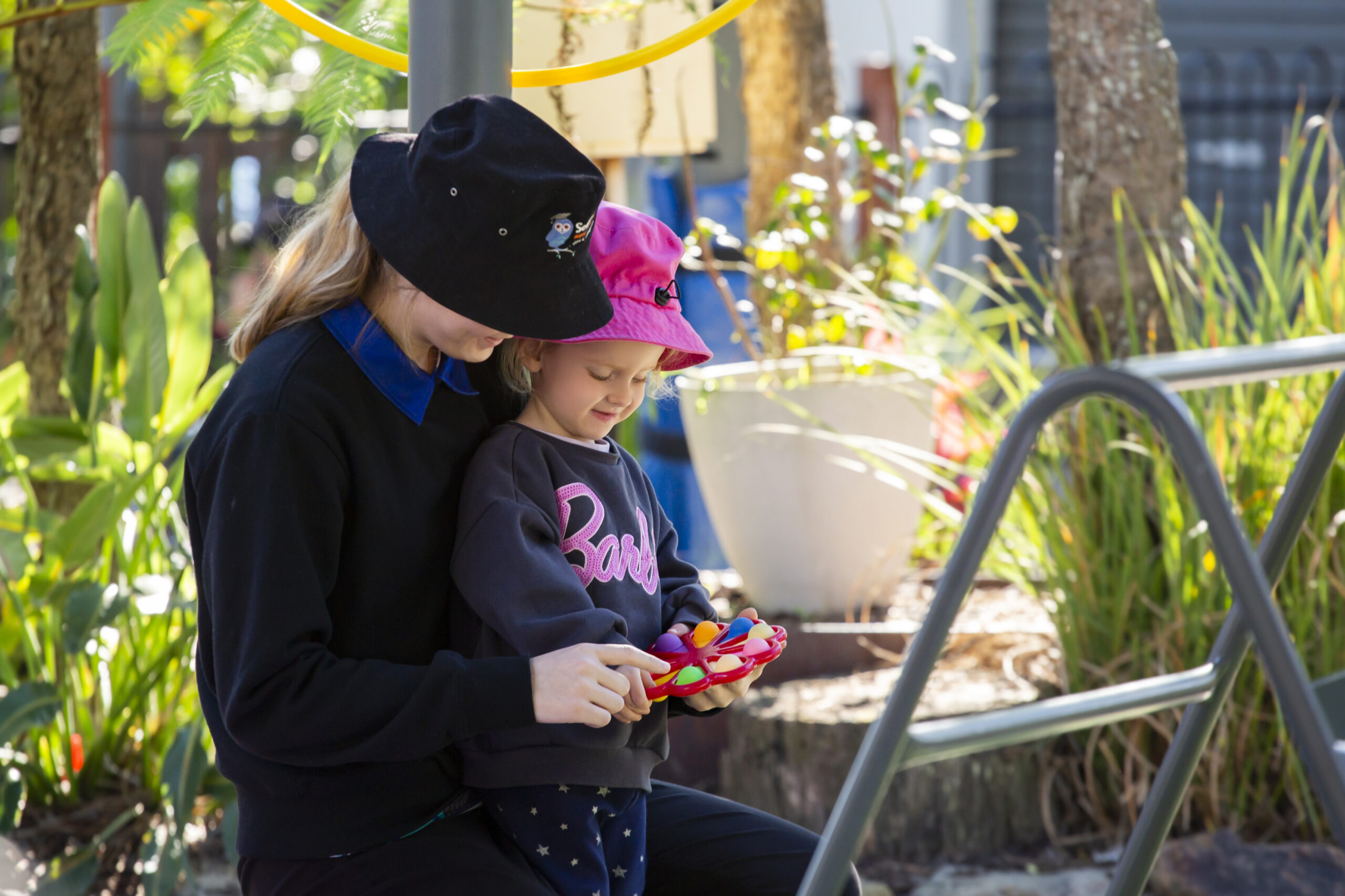
Supporting emotional wellbeing is at the heart of what we do. Our educators are trained to respond with warmth, patience, and understanding because relationships come before routines.
At Sesame Lane, we:
- Build strong, trusting relationships with every child
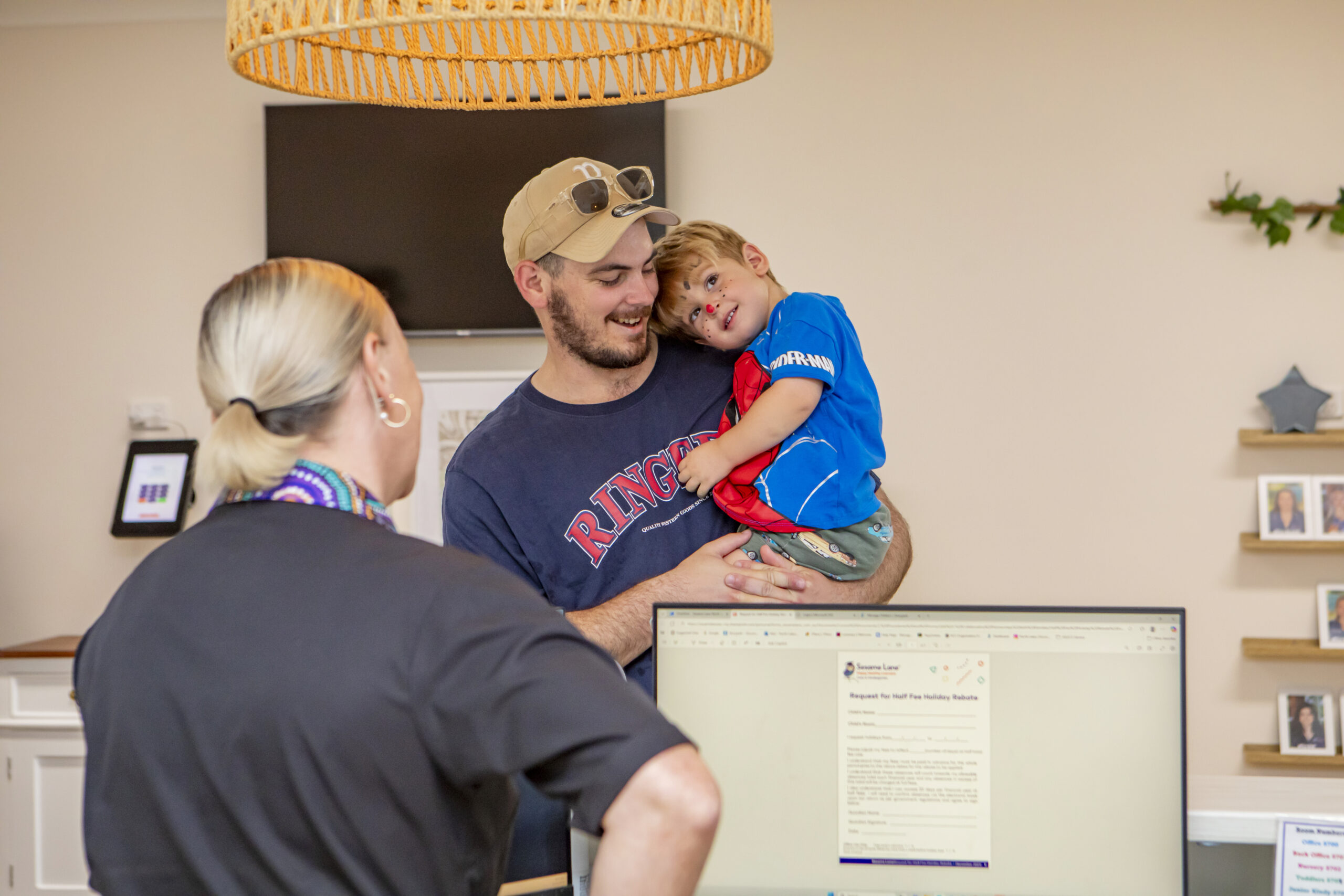
- Offer calm, unhurried transitions at drop-off
- Use comfort strategies such as familiar objects, quiet spaces, and one-on-one reassurance
- Partner closely with families to maintain consistency between home and care
- Observe and respond to each child’s individual cues and needs
Our environments are intentionally designed to feel welcoming and safe, allowing children to settle at their own pace.
How long does separation anxiety last?
Every child is different. Some settle within days, others may take a few weeks. What matters most is consistency, reassurance, and partnership between families and educators. With time, trust grows and those tearful goodbyes often turn into confident waves.
When to seek extra support
If separation anxiety feels intense, prolonged, or begins to affect your child’s wellbeing, talk to your child’s educators. We’re here to support you and can help guide next steps if additional strategies are needed.

You’re not alone
Separation anxiety can feel heavy, especially when you’re juggling work, family life, and your child’s emotions. Please know this: you’re doing nothing wrong, and neither is your child.
At Sesame Lane, we believe that when children feel emotionally safe, everything else, learning, play, friendships, falls into place. We’re proud to support families through every stage of early childhood with care, connection, and understanding.
If you’re considering child care or would like to learn more about how we support children’s emotional wellbeing, we invite you to contact our friendly team or book a tour. We’d love to welcome you.


Follow us on Instagram
Error: No connected account.
Please go to the Instagram Feed settings page to connect an account.


Leave your comment