It Takes a Village: The Power of Partnership Between Families and Educators

There’s an old proverb that keeps finding new life in early learning: it takes a village to raise a child. Not a perfect village. Not a Pinterest-ready one. A real one made up of families, educators, grandparents, carers, neighbours, and the quiet heroes who show up day after day with patience, love, and spare clothes in their bag.
In early childhood education, this village comes to life through partnership. When families and educators work together, children don’t just feel cared for, they feel understood.
Children are wonderfully complex little humans. They don’t switch personalities at the door. The child who bounds into the centre with confidence may be the same child who needed an extra cuddle that morning. Families know their child’s rhythms, histories, fears, joys, and quirks. Educators bring professional knowledge, observation, and a deep understanding of child development. When these two worlds meet, something powerful happens: consistency, trust, and a shared sense of purpose.
Strong partnerships begin with relationships. Real ones. Built on open communication, mutual respect, and the belief that everyone has something valuable to contribute. When educators listen to families and truly listen, they gain insight that helps them respond to children with empathy and intention. When families feel welcomed, informed, and included, they gain confidence and reassurance that their child is safe, supported, and thriving.
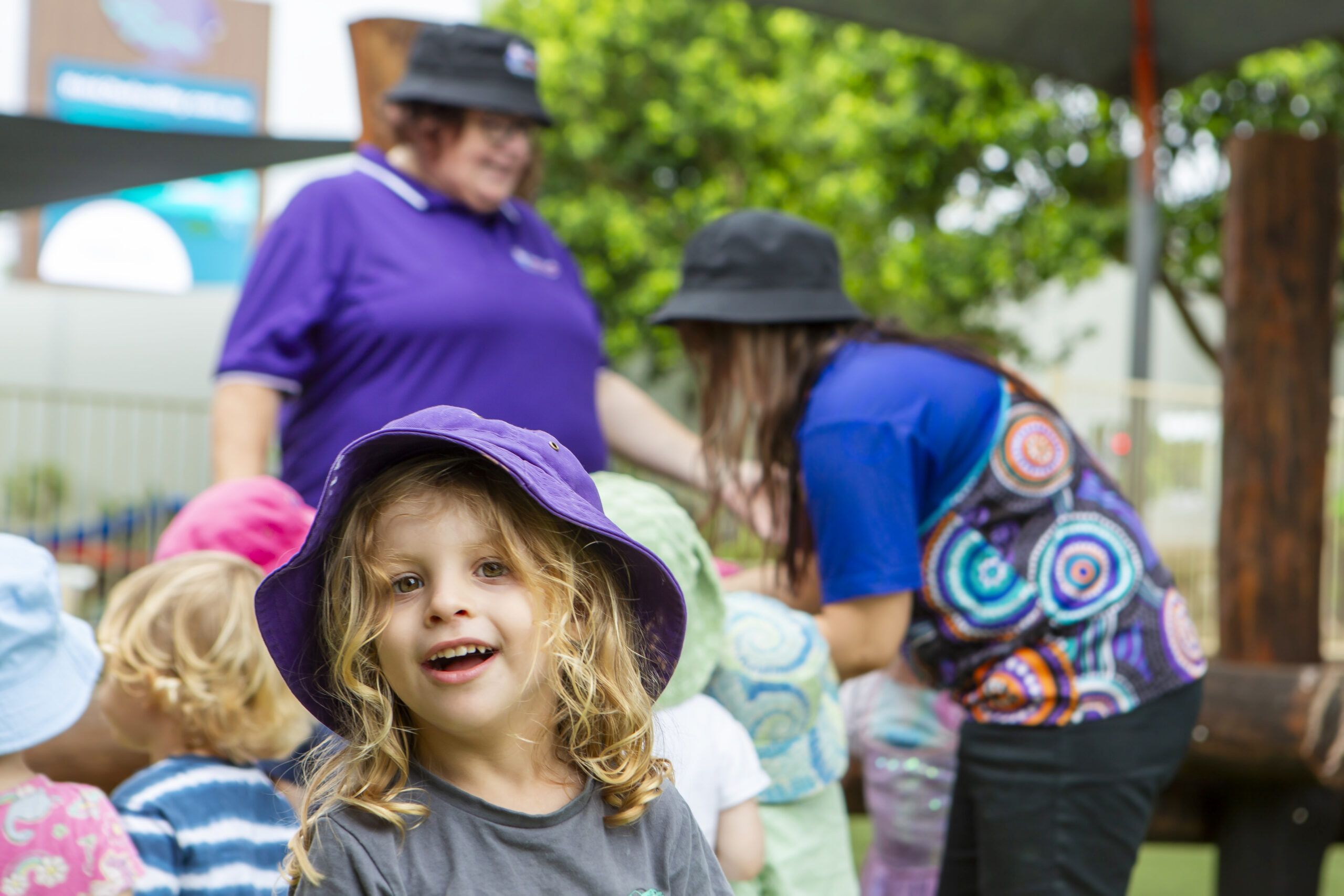
Children feel this alignment in their bones. They notice when the important adults in their lives are connected. It creates emotional safety and a sense that the world makes sense, that the people around them are on the same team. This security allows children to explore more freely, take healthy risks, build resilience, and form strong relationships of their own.
Partnership also means shared problem-solving. There will be moments when children struggle with things like big feelings, tricky transitions or developmental leaps that arrive without warning. When families and educators face these moments together, rather than in isolation, children benefit from thoughtful, consistent support across home and learning environments. No blame. No judgement. Just curiosity, care, and collaboration.
A true village celebrates too. The first confident goodbye. The new friendship. The breakthrough moment when something finally clicks. These wins are sweeter when shared, and they remind us why partnership matters, because raising children isn’t meant to be a solo act.
At its heart, partnership is about trust. Trust that families are experts on their children. Trust that educators are skilled professionals who care deeply. Trust that when we work together, children receive not just education but true belonging.
And belonging? That’s where learning truly begins.

What Does ‘Belonging’ Really Mean?
Belonging isn’t a buzzword. It’s a felt experience; quiet, steady, and profoundly human. For young children, belonging means I am safe here, I am known here, and I matter here. It’s not something we tell children; it’s something they sense in their bodies long before they have words for it.
Belonging begins with emotional safety. A child who belongs knows that their feelings are welcome. The joy, the tears, the wobble-in-the-middle moments. They trust that the adults around them will respond with care, not dismissal. This safety frees children from survival mode and opens the door to curiosity, play, and learning. When a child isn’t busy protecting themselves, they’re busy becoming themselves.
Belonging also means being recognised as an individual. Children feel it when educators know how they like their sandwich cut, which song calms them, what makes them laugh uncontrollably and when they need space instead of words. It’s the difference between being managed and being understood. When children feel seen for who they are not who they’re expected to be, confidence takes root.
There’s a social heartbeat to belonging too. It’s knowing you have a place in the group. A friend who looks for you. An educator who notices when you’re missing. A space where your voice is heard, even if it comes out as a gesture, a glance, or a very loud opinion. Through belonging, children learn empathy, cooperation, and the gentle art of being with others.
Belonging stretches across environments. When children experience continuity between home and their learning setting, shared language, shared values, familiar routines, the world feels more predictable and kind. This connection reassures children that the important adults in their lives are linked, forming a web of support rather than separate islands.
Most importantly, belonging gives children permission to grow. To try, to fail, to try again. It tells them they don’t have to earn their place by being perfect, quiet, clever, or easy. Their place already exists.
In early childhood, belonging is the soil. Everything else, learning, resilience, wellbeing, independence, grows from it. When children truly belong, they don’t just learn how the world works. They learn that they have a rightful place within it.
When families and educators walk side by side, the village grows stronger and children who feel a sense of true belonging grow with it.


Latest Posts


Follow us on Instagram
Error: No connected account.
Please go to the Instagram Feed settings page to connect an account.


Leave your comment